

THE IMPACT OF DISCIPLINING A CHILD: SHOULD WE FLOG CHILDREN IN SCHOOL?
I was just a child: The day discipline stopped teaching and started hurting
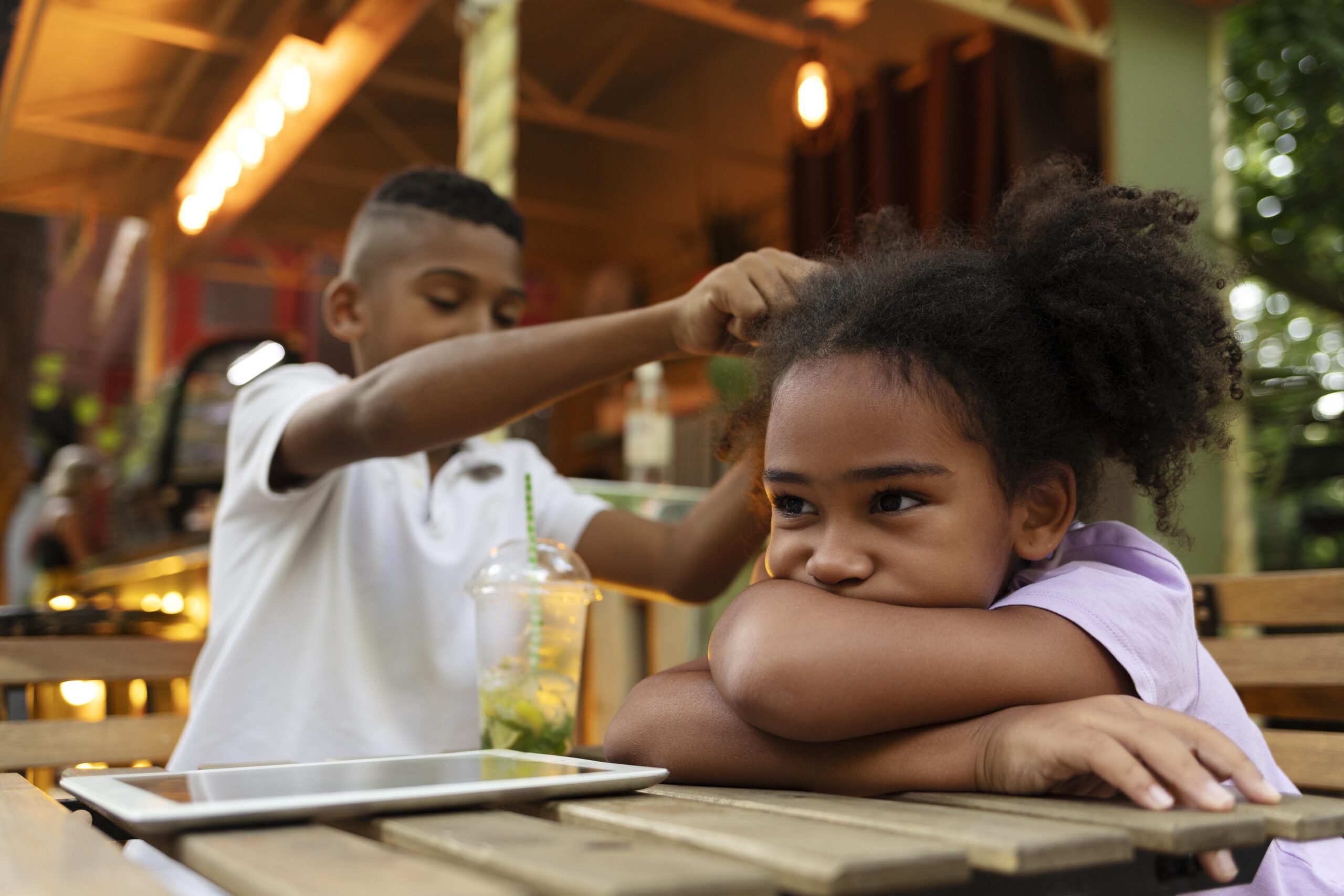
I was seven, proud of the paper I was holding. When my teacher saw me showing it to a friend, he didn’t ask—he just grabbed his cane. Four sharp lashes later, my back burned and my spirit broke. Since that day, I had fear than the desire to draw. That day discipline didn’t teach me – it scared me.
Discipline plays a crucial role in shaping a child’s behavior, values, and sense of responsibility. But as educators and caregivers, the method we choose to enforce discipline can have long-lasting effects on a child’s development, both positive and negative. One of the most controversial practices in school environments is flogging or corporal punishment. While some argue it brings immediate compliance, growing evidence suggests it can do more harm than good.
As we proceed, we’ll explore the impact of flogging on children’s mental health, weigh its consequences, and offer healthier, more effective alternatives to discipline.
Understanding Discipline vs. Punishment
Discipline is about teaching. Punishment is often about control.
True discipline involves guiding a child toward better choices and helping them understand the consequences of their actions. On the other hand, flogging—inflicting physical pain for misbehavior—leans more toward punishment and instills fear rather than understanding.
Does Flogging “Work”?
Supporters of flogging claim it’s quick, effective, and traditional. In some cultures, it’s seen as a necessary method to enforce respect and obedience. But does it truly work long-term?
While it may stop unwanted behavior in the moment, studies show that flogging can:
- Leads to resentment instead of respect.
- Teach that violence is a solution to problems.
- Damage the student-teacher relationship.
- Leads to surface-level obedience without internal growth or understanding.
The Mental Health Impact of Flogging
Corporal punishment doesn’t just sting physically—it leaves emotional scars. Here’s how it can negatively affect mental health:
- Increased Anxiety and Depression: Children who are flogged regularly often feel unsafe or unloved. Over time, this can lead to low self-esteem, anxiety disorders, or depression.
- Aggressive Behavior: Children mimic what they see. Flogging can teach them that aggression is an acceptable response to conflict.
- Fear of Authority: Instead of building respect, flogging often creates fear. Students may avoid asking questions or expressing themselves freely, stifling their academic and emotional growth.
- Long-term Trauma: In severe cases, physical punishment can lead to trauma, distrust of institutions, or even post-traumatic stress disorder (PTSD).
Mental Positive Impact of Flogging Children
- Encourages respect for authority
- Instills discipline and order
- Builds resilience or mental toughness
- Reduces repeated misbehavior
- Creates immediate behavioral correction
Better Ways to Discipline Children
Let’s shift from punishment to guidance. Here are proven alternatives:
- Positive Reinforcement: Praise and reward good behavior. Children are more likely to repeat actions that get positive attention.
- Time-Outs and Reflection Time: Allow children space to calm down and think about their actions. Follow it with a constructive conversation.
- Modeling Good Behavior: Children learn more from what we do than what we say. Model calm, respectful, and problem-solving behavior.
What Schools Can Do
Schools should foster safe, respectful environments where discipline supports growth. This can include:
- Teacher training on emotional intelligence and classroom management.
- Counseling services for children with behavioral or emotional challenges.
- Engagement with parents to create consistent discipline across school and home.
In Conclusion, discipline is necessary but flogging is not. The impact of disciplining a child goes beyond the classroom and shapes who they become. Discipline should never leave bruises on the body or on the mind.