
THE HIDDEN CURRICULUM: HOW NANNIES QUIETLY SHAPE CHILDREN’S MINDS
“I didn’t realize how much my daughter mirrored our nanny until she started saying ‘thank you’ and ‘please’ more consistently than we ever taught her. It made me rethink everything.”
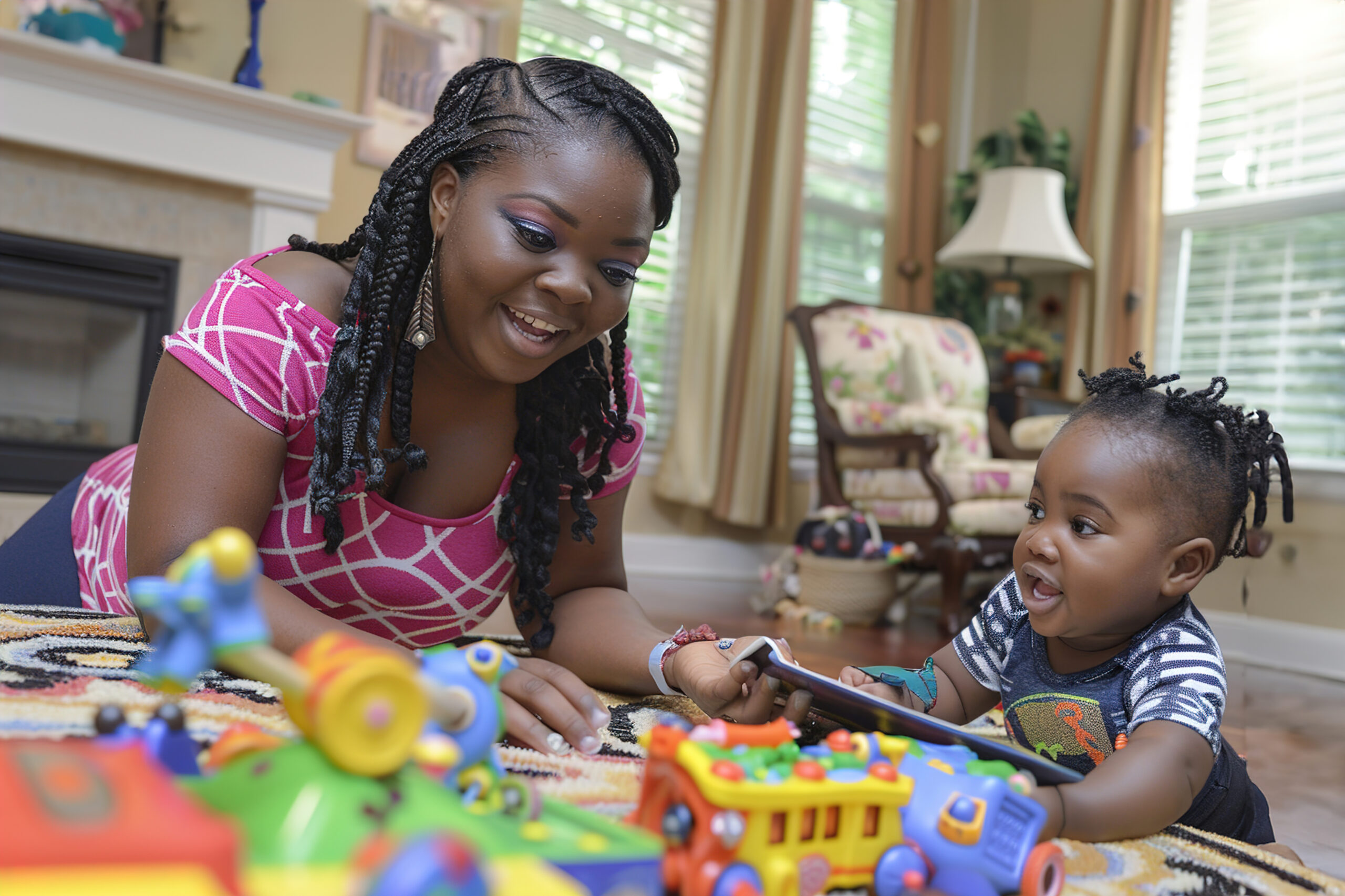
When we think of education, schools and teachers often take center stage. But what about the unsung educators—nannies—who spend countless hours with children during their most formative years? While they may not carry chalk or grade books, nannies teach a powerful, often invisible curriculum every day. This is the hidden curriculum—the unspoken lessons children absorb through consistent exposure, imitation, and emotional connection.
And it’s shaping your child’s mind more than you think.
What is the Hidden Curriculum?
The hidden curriculum refers to the informal lessons children learn outside of structured teaching. These lessons come from observation, routine, tone, discipline, and the emotional climate a caregiver creates.
For example, if a nanny handle conflict calmly and respectfully, children learn conflict resolution. If a nanny listens attentively, children learn empathy. These behaviors aren’t listed on any educational checklist, but they play a critical role in forming how a child learns, behaves, and relates to the world.
Nannies as Emotional Teachers
Nannies often have a front-row seat to a child’s daily mood shifts, social behaviors, and learning milestones. This consistency builds trust, and that trust opens the door to learning far beyond ABCs and 123s.
Through their responses to tantrums, playtime conversations, and even how they manage boredom, nannies’ model emotional intelligence. These interactions teach children:
- Self-regulation
- Empathy
- Resilience
- Problem-solving skills
These aren’t just “soft skills”—they’re core educational tools that impact classroom behavior, peer relationships, and academic motivation.
Nanny and Parent Educational Goals
Consistency is key. When parents and nannies communicate openly, children receive reinforced values and clearer expectations. This improves behavior and learning outcomes.
Here’s how to build that alignment:
- Share school learning goals and behavioral expectations.
- Include nannies in discussions about the child’s developmental needs.
- Provide tools and resources, such as learning games or behavior charts.
- Encourage curiosity, and give nannies permission to explore educational topics naturally during the day.
How to Strengthen the Nanny’s Role in Education
- Offer Professional Development: Encourage or sponsor training in child psychology, first aid, or early childhood development.
- Create shared Learning Activities: Provide books, puzzles, and sensory toys that align with what your child is learning at school or daycare.
- Schedule Check-ins: Hold regular meetings with your nanny to talk about behavioral changes, new interests, or emerging learning needs.
- Build a Feedback Loop: Encourage your nanny to share what the child is struggling with, enjoying, or curious about—it’s often an untapped well of insight.
While teachers may light the fire of formal education, nannies quietly shape the kindling. Their influence on a child’s emotional, social, and intellectual foundation is powerful and lasting.